Finishing Your Basement in Calvert County:
What Southern Maryland Homeowners
Should Know Before You Start

Transforming an unfinished basement into a livable square foot of space can be one of the cheapest ways to add space to a house — but in Southern Maryland, there are a few local factors that make a basement finish unique from any other kind of remodel. Considering Calvert County's clay-heavy soil, proximity to the Chesapeake and Patuxent River watershed, and the permitting process through Calvert County government, homeowners planning a basement finish have a few things to consider upfront. Here’s what to know.
Why Moisture Management Comes First
Even before any framing, drywall or flooring begins to go in there, a finished basement in this region must first begin with a well-defined design for moisture management. With its water table and its heavy seasonal rainfall, Southern Maryland’s basements are particularly susceptible to dampness compared with many places in the States. Missing this step is the number one cause a “finished” basement will end up with mold, warped flooring or musty smells in a year or two.
A conventional basement finishing project involves:
- A moisture scan — figuring out if water is finding its way through your foundation walls, floor slab or from substandard exterior drainage before you start framing anything.
- Vapor barrier, moisture-resistant materials (Mold-resistant drywall, subfloor systems to enable air to circulate underneath finished flooring — things that have been rated for below-grade installation).
- Insulation — for sure, closed-cell foam or a rigid foam board to be used to keep it against foundation walls, regulating moisture and temperature fluctuation.
- A working sump pump and drainage plan — particularly nice to have for houses close to the Patuxent River or in low-lying areas in Prince Frederick, Huntingtown or St. Leonard.
Permit List: What Calvert County Needs.
Finishing a basement almost always requires a building permit in Calvert County — even though the work is "just" interior. That's because converting unfinished space into livable space typically involves changes that fall under code review: electrical work, HVAC extensions, egress window requirements if you're adding a bedroom, and sometimes plumbing if a bathroom or wet bar is part of the plan.
Working with a licensed, insured contractor matters here. Patuxent Renovations is MHIC-licensed (#69391) and handles the permitting process directly — pulling permits, coordinating inspections, and making sure the finished space actually meets code, not just looks finished. That protects you at resale, since an unpermitted basement finish can become a real problem during a home sale inspection.
Egress: The Most Significant Part Is Not Missed.
If your plans consist of either a bedroom, playroom, or anything to be used overnight regularly, egress window needs will get you involved. Under Maryland building code, for fire safety’s sake every basement bedroom must have a suitable size escape window (or door). This is one of the most frequently ignored requirements for DIY or unpermitted basement designs — and one of the most costly to solve afterwards since it can involve cutting a new opening into the foundation wall. So do planning for egress in advance, not once the drywall is up.
What a Finished Basement Is Generally A Case in Point.
Each basement project will differ based on ceiling heights, current mechanicals, and the use of space, but a typical Patuxent Renovations basement finish is:
- Framing and insulation designed for below-grade conditions
- Electrical work, including proper lighting for a space with no natural light
- HVAC extension or supplemental heating/cooling to keep the space comfortable year-round
- Drywall, flooring, and trim suited to a below-grade environment
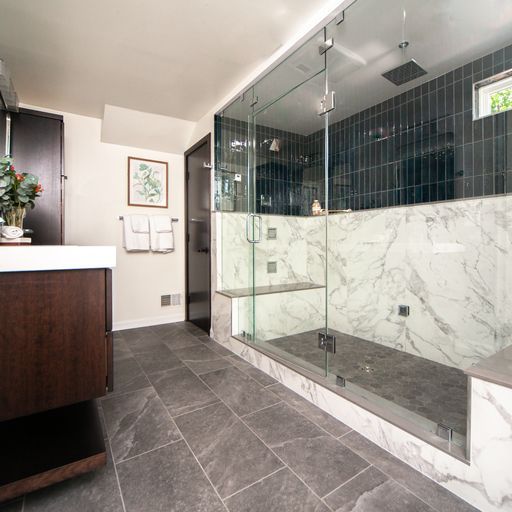
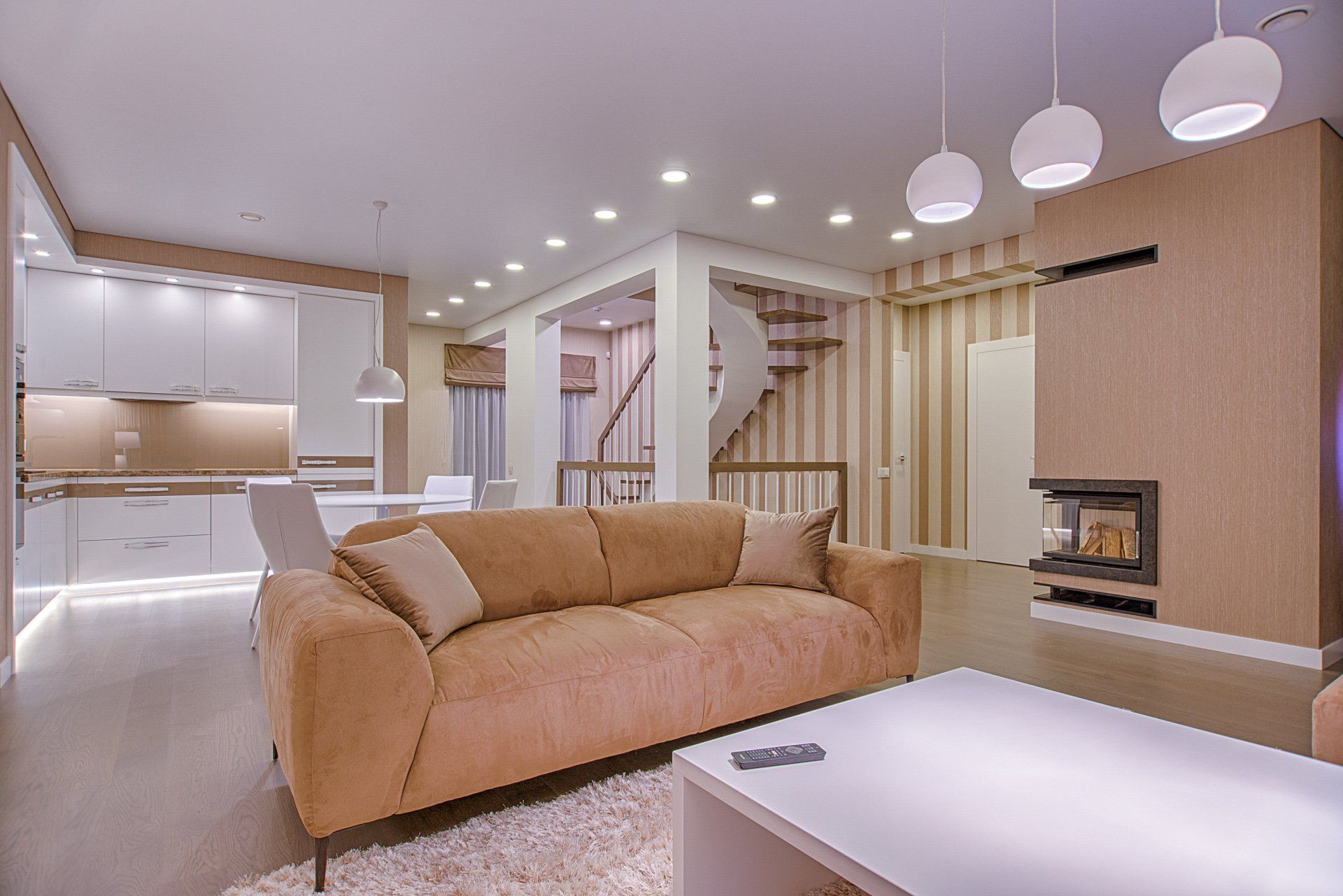
- Optional additions like a full or half bathroom, wet bar, home theater, or wine cellar
Is It Worth It to Have a Finished Basement in Calvert County?
Finished basements are one of the more efficient ways to add usable square footage without the cost of a home addition, since the foundation and roof already exist. For homeowners in Prince Frederick, Huntingtown, St. Leonard, and the surrounding communities, a finished basement can add a family room, home office, guest suite, or entertainment space — all without changing the home's footprint.
Done properly, with attention to moisture control, permitting, and egress requirements, a basement finish is also a project that holds up: it won't need to be redone in a few years because of water damage or code issues discovered at resale.
Thinking about finishing your basement? Contact Patuxent Renovations to schedule a consultation, or call 410-610-4635. We handle everything from design through permitting to final walkthrough.
Frequently Asked Questions.
Do I need a permit to finish my basement in Calvert County, MD?
Yes. Finishing a basement typically requires a building permit because the work involves electrical, HVAC, and sometimes plumbing changes, along with code requirements like egress windows for any bedroom space. A licensed contractor will pull the necessary permits and coordinate inspections as part of the project.
How do you prevent moisture problems in a finished basement?
Moisture control starts before framing begins, with an assessment of how water may be entering the space, followed by vapor barriers, moisture-resistant materials, proper insulation, and a reliable drainage or sump pump system. This is especially important in Southern Maryland given the region's water table and rainfall.
Do I need an egress window to finish my basement?
If the finished space will include a bedroom or any room intended for regular overnight use, Maryland building code requires an egress window or door for fire safety. This should be planned at the design stage, since adding one later can require cutting into the foundation wall.
How long does a basement finishing project take?
Timelines vary based on scope, but most basement finishing projects — including framing, electrical, HVAC, drywall, and flooring — take several weeks to a few months from permit approval to completion, depending on whether a bathroom or specialty space like a home theater is included.
Is finishing a basement cheaper than building a home addition?
Generally, yes. Because the foundation, walls, and roof already exist, finishing a basement typically costs less per square foot than a home addition, making it one of the more cost-effective ways to add livable space.